Feb 042009
 

Ah, the path never taken. I was pondering this notion of the career arc that *might have been* had it not been for the untimely death of (insert iconic rock artist here), and ended up pondering something else completely. Forget the notion of what might have been had these artists’ passing not come too early. Let’s imagine what these artists’ careers might have looked like had they never played music in the first place!

Please scan the following list of artists and imagine what professional path would have suited their skill set best had they not heard the siren call of music:

1. David Lee Roth
2. Keith Richards
3. Sly Stone
4. Paul McCartney
5. Buddy Holly
6. Freddie Mercury
7. Stevie Wonder
8. Prince
9. Lemmy
10. Bob Seger

I look forward to your responses.

HVB

Share
Feb 042009
 

Yesterday’s celebration of The Day the Music Died took me through a range of emotions as I’m sure it did you. While we wind down from the festivities, I’d like to get back to a theme that I would like to work through with you over the course of the month, in between all our other fun and self-important rock discussion activities: Exploitive Black Rock History Month.

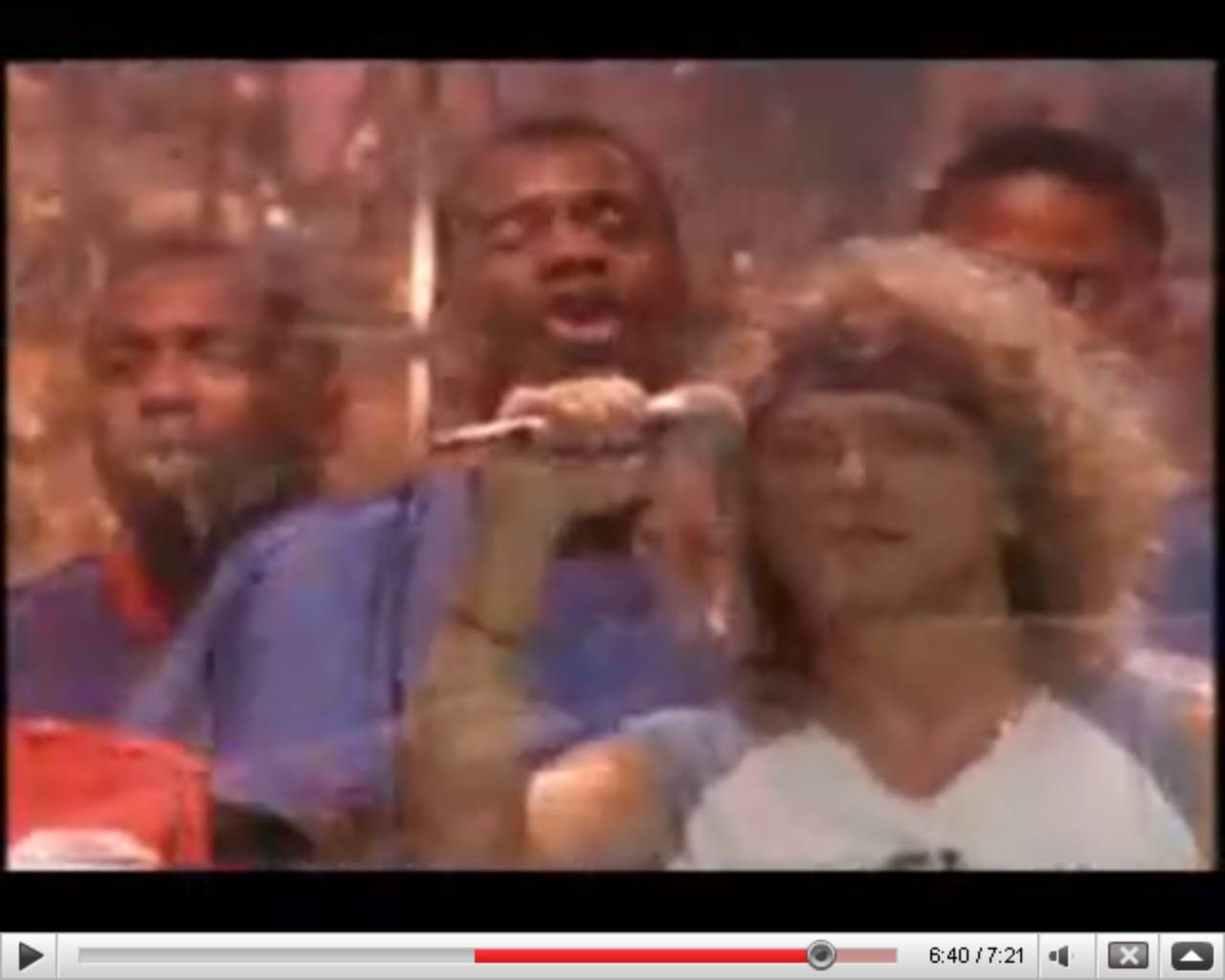
As I said in my introduction from a couple of days ago, I’d like us to do our best to explore and bemoan recurring, cynical, exploitive uses of what are typically considered black people’s musico-cultural achievements to add color (my apologies for the unavoidable pun) and credibility to the performances of primarily white rock artists. I’d like to kick off this discussion with an examination of possibly the most egregious and overused of these cultural abuses: the employment of the African American robed choir.

When did this practice begin? Can we blame it on Foreigner? Growing up, I don’t recall Elton John or David Bowie ever being backed by an African American robed choir, but sometime in the early ’90s it became commonplace.

Those of you who know me probably are aware that I am not a proponent of cursing… Continue reading »

Share
Feb 032009
 

Among the benefits I find of being a cynic and a wise ass are that I’m extremely comfortable with learning how wrong I can be, and I am really good at heartfelt apologies. In light of comfirmation that The Day the Music Died was a page 66-worthy news item in The New York Times, although I have not reached that point in my cycle of cynicism, I do think it’s important that we reach consensus on the following sincere and positive question:
Continue reading »

Share
Feb 032009
 

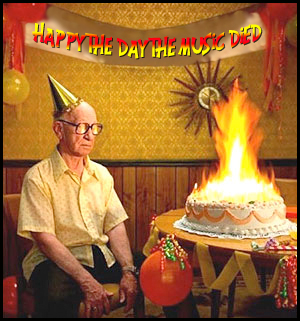
Tuesday, February 3, 2009, marks the 50th Anniversary of The Day the Music Died, that is, for those of you…

  • Too young to have grown up with Don McLean’s “American Pie”
  • Too sober and reasonable to have ever been at a “normal person” bar with patrons drunkenly singing along to said song as an acoustic cover duo signals Last Call
  • Blessed enough to have missed Madonna‘s atrocious cover of said song from its brief appearance on the charts a few years ago

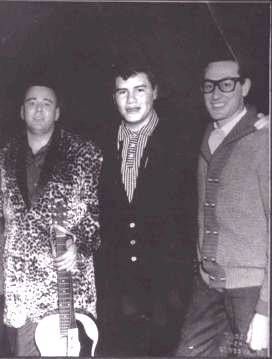
…the day an airplane carrying Buddy Holly, Ritchie Valens, and The Big Bopper went down near Clear Lake, Iowa, killing the three early rockers and the plane’s pilot.

(Holly’s the guy who looks kind of like Gary Busey.)

If the sentiments of McLean’s song and rock criticism are to be believed, this momentous event – together with Elvis Presley‘s induction in the U.S. Army, Jerry Lee Lewis‘ marriage to his 14-year-old cousin, and Little Richard‘s swearing off of rock ‘n roll in favor of The Lord – would set the stage for a few years of mostly wimpy rock ‘n roll and indirectly lead to John F. Kennedy’s assassination and England’s Profumo Affair, the latter a sexual scandal involving a politician that would provide a slap to the butt of the newborn Beatles, reawaken The Power and Glory of Rock, and many years after the fact introduce me to the cute-as-a-button screen presence of Bridget Fonda.

The small plane was supposed to have carried only Buddy Holly and two bandmates, including future country music icon Waylon Jennings, but Valens and JP Richardson (ie, Bopper) subtly pulled rank and took the Crickets’ seats. Bad move for the opening acts, but a boon of varying degrees for Gailard Sartain, Gilbert Melgar, Lou Diamond Phillips, and Stephen Lee, among other actors who’ve had the honor of portraying these artists in films, telemovies, and stage plays.
Continue reading »

Share
Feb 032009
 

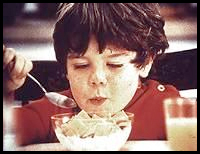
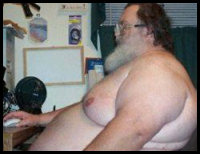
I haven’t been around lately. Been busy. Doin’ shit. So for those of you don’t know, I am the Mikey from the Life Cereal campaign. Here’s me then:

Here’s me now:

Anyhoo. I got that ad campaign because I’m supposed to be a cynic, right? I’m supposed to hate everything, right?! I swallow my anger, right?!! Wrong dillweeds!! Wrong.

I have the open mind of a newborn babe. That’s why I work in my birthday suit.

So let’s talk about The Big Bopper.

A cynic might say that The Big Bopper is the luckiest man in rock for if he hadn’t died in that crash, no one would remember him.

A cynic might say that in the triumvirate of Chubby CheckerFats Domino-Big Bopper, the Bopper comes up third no matter how you sort them: talent, fattest, most black…

I might suggest that we celebrate the fact that The Big Bopper wrote that White Lightening song and some song about a bear running that apparently deserve notoriety.

A cynic might respond, WTF are you talking about?

A cynic might say that the only people who truly celebrate The Day The Music Died are Don McLean and whoever inherited the royalties to Chantilly Lace.

But I’m not a cynic.

Continue reading »

Share

Lost Password?

 
twitter facebook youtube